
Semiconductor stocks sit near the center of modern equity markets. They’re a direct play on AI, cloud, and digitalization, and at the same time a cyclical bet on global manufacturing and trade. That makes them uniquely sensitive to swings in global risk sentiment—the ebb and flow of investor appetite for risk driven by growth, inflation, liquidity, and geopolitical noise. When sentiment cycles turn, semi equity funds are often among the first to reposition.

This post explores how global risk sentiment cycles link to semi equity fund positioning, through the macro channels of interest rates, exchange rates, credit, and commodities. The aim is to offer a flexible, polished framework rather than a rigid rulebook: sentiment is fluid, and fund positioning needs to be too.
What We Mean by “Global Risk Sentiment Cycles”
Risk sentiment isn’t one number; it’s a regime. Most macro and asset allocation frameworks describe a cycle something like this:
- Risk‑on / early‑mid cycle: Growth is improving or strong, inflation contained, policy supportive, credit spreads tight, volatility moderate. Investors like cyclicals and growth.
-
Growth decelerates from high levels, inflation may still be elevated, policy signals mixed, risk appetite more selective. -
Global risk sentiment cycles capture how investors collectively move along that path. They show up in equity flows, credit spreads, FX, and commodities. Semi equity funds sit inside that “weather system” and adapt to it—sometimes consciously via macro overlays, sometimes indirectly through earnings revisions.
Semis as a High-Beta, High-Conviction Risk Asset
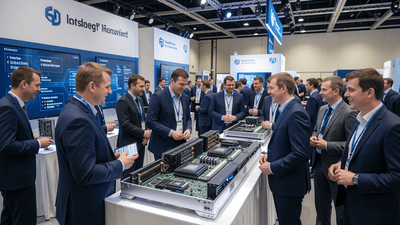
Within that system, semiconductors have distinct characteristics:
- High beta to global growth and tech: They typically move more than broad indexes when risk sentiment swings, reflecting leverage to both cyclical and structural themes.
-
Future cash flows from AI and advanced chips are long‑dated, making semis sensitive to changes in interest rates and yield curves. -
Semis are deeply integrated into global supply and demand, making them sensitive to FX, trade, and commodity cycles.
Because of this, semi equity funds tend to adjust positioning more aggressively than many other sectors when global risk sentiment cycles turn. They lean in during risk‑on phases, tilt defensive during risk‑off, and become more selective in slowdowns.
Interest Rates: The Primary Macro Lever on Sentiment
Interest rates are the anchor for risk sentiment. When central banks raise or cut rates, they shift the cost of capital and the attractiveness of risk assets:
-
Lower discount rates, cheaper funding, and often improving risk appetite. Semi funds typically increase exposure, especially to high‑growth names and advanced nodes. -
Higher discount rates and more expensive financing. Semi funds may reduce overweight positions, rotate toward quality balance sheets, or shorten duration within the sector (favoring nearer‑term earnings visibility). -
When inflation and policy paths are unclear, sentiment can slip into a cautious regime even if levels aren’t extreme. Semi funds may keep exposure but lean into more defensive tech and lower leverage.
In practice, when global risk sentiment improves on the back of easing or credible signals that the hiking cycle is ending, semi equity funds often respond quickly—moving from neutral or underweight to overweight. When sentiment deteriorates due to persistent inflation or aggressive tightening, they tend to cut risk, especially in smaller, more leveraged names.
Exchange Rates and Global Capital Flows
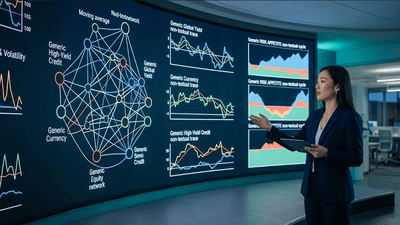
Exchange rates tie into risk sentiment through the “global financial cycle.” A strong dollar often accompanies risk‑off phases; a weaker dollar often shows up in risk‑on regimes:
-
Capital flows back to USD assets; emerging markets face tighter conditions. Semi funds may tilt toward US and developed‑market chip names and reduce exposure to EM semi equities. -
FX risk is perceived as lower; investors seek higher beta opportunities globally. Semi funds may diversify more aggressively across regions—adding positions in Asia and EM names tied to local demand and export growth.
For semi equity funds, FX matters both for revenue translation and for where investors want to hold risk. In risk‑on, weak‑dollar cycles, global semi exposure often rises. In strong‑dollar, risk‑off cycles, funds concentrate into perceived safer jurisdictions and reduce cross‑border equity bets.
Credit Conditions: Funding the Semi Story
Risk sentiment is closely linked to credit markets. Credit spreads—especially high‑yield spreads—tell investors whether credit risk is cheap or expensive:
-
Borrowing is easier; leveraged companies and capex‑intensive projects look more viable. Semi funds may be more willing to own small and mid‑cap names with ambitious expansion plans. -
Credit risk is high; defaults and funding stress loom. Semi funds often reduce exposure to smaller, leveraged companies and focus on large‑cap names with strong cash positions.
In global risk‑off cycles where credit breaks first, semi equity funds may de‑risk aggressively. During periods of stable or tightening spreads but strong earnings momentum, they may hold risk even as sentiment wobbles, trusting the structural AI and digitalization narratives to carry the sector.
Commodities and the Industrial Backdrop

Semiconductors don’t operate in an isolated tech bubble. They are tied to industrial cycles and commodity dynamics:
-
Rising metals and energy prices often reflect strong global industrial demand, which supports chip consumption in machinery, vehicles, and infrastructure. Semi funds may maintain or increase cyclical exposure during such risk‑on phases. -
Sudden spikes or collapses in energy or metals can trigger risk‑off sentiment. If such shocks threaten margins or demand for chip‑using sectors, semi funds may reduce exposure or shift toward more resilient segments (e.g., mission‑critical data center chips instead of consumer electronics).
Thus, risk sentiment cycles that are driven by commodity and industrial news have specific implications for semi positioning: funds may favor more industrial‑linked or more AI‑centric names depending on whether commodities signal healthy demand or macro stress.
Fund Positioning Through the Risk Cycle: A Stylized Map
Putting it together, we can sketch a stylized map of how semi equity funds typically position across global risk sentiment regimes:
Not every fund follows this map precisely, but it captures the typical logic: semi exposure expands when risk sentiment supports growth and shrinks when global risk sentiment turns sharply negative.
Sentiment Indicators and Semi Allocation Signals
Global risk sentiment isn’t measured directly, but funds use proxies and indicators:
-
Tracking how much investors are paying for cyclicals vs defensives and where equity flows are going helps reveal sentiment phases. -
Elevated volatility tends to coincide with risk‑off regimes; falling volatility suggests improving sentiment. -
Narrow spreads indicate risk‑on; widening spreads warn of risk‑off conditions. -
Manufacturing and services PMIs, along with composite leading indices, hint at future growth, shaping sentiment about cyclicals like semis.
Semi equity funds integrate these indicators into their tactical decisions. For example, sustained tight HY spreads and improving PMIs may justify adding semi risk even if headline news is mixed. Conversely, widening spreads and deteriorating PMIs may drive risk reduction even before earnings turn.
Differences Across Semi Funds: Growth vs Value, Regional vs Global
Not all semi funds behave the same way in risk cycles. There are nuances:
-
-
These funds may rotate more quickly toward stable, cash‑generating names in risk‑off phases, and be more cautious about speculative exposures even in risk‑on cycles. -
Funds focused on specific regions (US, Asia, EM) may respond differently to global sentiment depending on FX and local policy; global funds have more flexibility to shift exposure between regions as sentiment cycles evolve.
These differences mean that “semi fund positioning” is not monolithic. Global risk sentiment cycles push funds in broadly similar directions, but each fund’s mandate and style shape how far and how fast they move.
Macro Linkages as Guideposts, Not Dictates
Interest rates, exchange rates, credit, and commodities provide guideposts for risk sentiment. But sentiment is also driven by narratives—AI breakthroughs, trade tensions, geopolitics—that can temporarily override macro signals. Semi funds must balance:
-
Respecting the implications of rate cycles, FX regimes, credit spreads, and commodity trends for risk and funding. -
Recognizing when structural themes like AI and digitalization justify maintaining exposure even in more cautious macro regimes. -
Using hedges, position sizing, and diversification to avoid being overexposed when sentiment can swing quickly.
In risk‑on cycles driven by strong secular narratives, semi funds may remain overweight the sector even as macro indicators flash caution. In risk‑off cycles with clear macro stress, they are more likely to prioritize risk control even if the long‑term story remains attractive.
Closing Thoughts: Riding the Sentiment Waves Without Capsizing
“Global Risk Sentiment Cycles vs. Semi Equity Fund Positioning” is, in essence, a story about how capital navigates between ambition and caution. Semiconductors give investors access to transformative technologies, but they sit high on the risk ladder. When global sentiment is favorable—rates supportive, FX calm, credit healthy, commodities stable—semi funds willingly climb that ladder. When sentiment deteriorates, they descend, tightening exposure, focusing on quality, and waiting for the next turn in the cycle.
Understanding the macro linkages that drive risk sentiment—interest rates, exchange rates, credit, commodities—helps decode those moves. It tells you why semi fund positioning shifts, not just that it shifts. For investors, that understanding can make the difference between being surprised by semi volatility and using sentiment cycles as part of a deliberate, macro‑aware strategy. The chips themselves don’t feel fear or greed, but the funds that own them certainly do—and global risk sentiment is the tide they ride.